MINDFULNESS MEETS EXECUTIVE FUNCTIONING: How Presence & Calm Strengthen the Brain's Command Center

Updated: Jan 5
Written by: Marie T. Rogers, MPS, Ph.D., RYT

The best way to capture a moment is to pay attention. This is how we cultivate mindfulness. - Jon Kabat- Zinn
MINDFULNESS
Being Here Now
Mindfulness, the act of paying attention to the present moment with a non-judgmental attitude, has become quite the buzz word in recent times. Endlessly featured on social media, magazines, television, and YouTube videos, its overuse may have contributed to the dilution of its meaning and, therefore, its therapeutic benefits.
In essence, mindfulness is the basic human ability to become fully present, without feelings of overwhelm or over-reactivity. In our busy worlds, where multitasking has become synonymous with efficiency and productivity, we find ourselves buried under the pressures of a never ending To-Do list and time constraints that create a dysregulated and unbalanced life. A chronic sense of urgency is one of the leading factors to stress, high blood pressure, and heart disease.

The Question to Ask Yourself:
Am I living Mindfully or Mindlessly?
This single question can recalibrate your entire day. When we drift into mindlessness, we operate on autopilot, becoming reactive and feeling rushed.
Over time, this fractures the connection between mind and body, distancing us from our inner guidance system. Mindful living gently restores that connection, inviting presence, intention, and clarity.
If you find yourself moving through the day mindlessly, build in periodic time-ins or micro-pauses, which are brief, perhaps 30-second check-ins where you notice your breath, observe your thoughts, and realign your attention.
These mini resets interrupt the stress cycle, re-engage the prefrontal cortex, and restore executive functioning so you can respond rather than react. Here are a few simple prompts for your check-ins:
What’s happening within my body?
What’s happening within my mind?
What is the rhythm of my life right now? Too fast, too slow? Smooth, irregular?
What matters most right now?
These moments accumulate. Over time, they strengthen attention, reduce cognitive clutter, and keep your “mental command center” online. They also improve self-awareness; the foundation of emotional intelligence.
Mindfulness invites equanimity, that spacious inner calm that reminds us we can meet each moment as it is—without judgment, fear, or urgency. This gentle steadiness becomes the foundation for deeper insight and more skillful action.
Regularly performing acts of self-inquiry will awaken a deep sense of self-discovery. All profound personal transformation emanates from insight; from being self-curious. The right questions will allow for clarity, targeted problem-solving, and resolution. But what about executive functioning? How does mindfulness play a role? Mindfulness is the bridge between inner observation and effective outer action. Strong executive functioning, which feels like mental smoothness, depends on a regulated nervous system, steady attention, and the capacity to respond rather than react.

EXECUTIVE FUNCTIONING
The Brain's Top Management Team
The skills required for achieving success are interconnected, complex and coordinated. Collectively, they are referred to as executive functioning. They are our control or supervisory center, located within the frontal and prefrontal lobes of our brain, representing a fairly large area consuming approximately 1/3 of the brain’s cortical geography.
These crucial skills incrementally evolve as we navigate through the developmental stages, reaching a full appreciation of their maturity in our mid 20s. It is this structure within the brain that plays the most critical role in the success or failure of our human endeavors.

Neuroplasticity
The good, the bad, and the ugly about the brain arise from its most intriguing findings and developments in recent years referred to as neuroplasticity, a term used to describe the brain’s ability to change and adapt as a consequence of experience. While clinical psychologists are attempting to map out its intricate functions, neuroscientists are focusing on its neural underpinnings.
Our brain can alter its organization and ultimately its function throughout our lifetime. It makes physical changes as a cumulative result of experiences, via healthy and unhealthy repeated activities, otherwise known as habits. Bringing our A-game to life necessitates an internal desire to rise above mediocrity; to be quicker, smarter, stronger, sturdier, and more efficient. It’s stepping up the beat from a sluggish tempo to one that is more lively and energetic. Ultimately, the fulfillment of our potential rests on our ability to galvanize our executive functioning skills and create habits that support onward and upward growth.
Key Executive Functioning Skills
Planning & Organization
Flexibility
Critical Reasoning
Problem Solving
Self-Control
Frustration Tolerance
Self-Monitoring
Each executive functioning skill is enhanced by conscientious efforts to embrace a non-reactive, here-and-now awareness to what is going on within ourselves and our surroundings. The irony is that executive functioning skills require executive functioning skills to strengthen. The good news is that small and consistent improvements within any given area will result in significant gains. If you would like to be better organized and your starting point is low, meaning you tend to miss deadlines, be late or miss appointments altogether, have trouble finding important belongings, and live in what you believe to be a random and chaotic environment, then your best first step is to tip-toe into organization and work on one time management or decluttering skill for thirty days before attempting to add or integrate others.
Attempting to do too much can create a cognitive overload that leads to task initiation failure and procrastination.
James Clear, in his best-seller book, Atomic Habits, makes the case for tiny changes leading to significant results, stating “Habits are the compound interest of self-improvement.” In addition to developing small, manageable action steps to support individual and specific key executive functioning skills, one practice that supports the entire gamut is mindfulness.
FEELING PEACEFUL IN DISTRACTED-DRIVEN TIMES

It wasn’t all that long ago that life felt much simpler. In my own lifetime, I vividly remember the introduction of the answering machine and call-waiting. Suddenly, you could leave a message when no one was home (or in the office), and you no longer had to hang up and redial endlessly to get past a busy signal. Then came Caller ID, beepers, and eventually the rise of cellular phones.
At the same time, round-the-clock television programming emerged, paving the way for the internet—from slow, choppy dial-up connections to seamless wireless access—and with it, an entire wave of advances born from the digital revolution. These advances in technology have certainly added value and time-saving conveniences in a plethora of ways to both our personal and professional lives. Examples that quickly come to mind include seeking information, conducting research, banking, purchasing, communicating; just to name a few. However, what were meant to be tools to make our lives easier and more productive have simultaneously become the very elements leaving us feeling fatigued, depleted, and distracted. Rather than technology supporting our lives, it has taken over.

In today’s world, we are constantly diverting our attention at rates never before experienced. Each and every time we take our attention away from our primary task by responding to a text message, viewing a social media post, or receiving a newsbreak notification, we are affecting the very parts of our executive functioning necessary for focusing, concentration, task execution, and task completion. It can take as much as 20 minutes to fully re-engage our attention following a distraction. Now, multiply this by the number of times per day you have a phone or device (with open tabs) nearby, and this may help explain why projects, papers, reports, etc., are taking longer to complete than expected.
Understanding Executive Functioning Fatigue (EFF)
In addition to technology, we spend innumerable hours regurgitating the same thoughts in our heads. Ruminations, sticky thoughts, and playing out frightening what-if scenarios will ultimately lead to executive functioning fatigue (EFF). This is a state of mental exhaustion that occurs when the brain's higher-order control systems become overwhelmed by the continuous demands of modern life, stress, and poor self-regulation habits. The depletion is not only physical tiredness but a cognitive and emotional state linked directly to the psychoneuroimmunology (PNI) connection. When in this state, one's ability to perform goal-directed behaviors and adapt to a changing environment becomes compromised.

Understanding Allostatic Load
Over time, chronic stress creates a widening gap between mind and body, and our nervous system will eventually bear the weight. Stress accumulates, not in dramatic spikes but in subtle, repeated doses that the body must continually adjust to (until it can't). This is the essence of allostatic load: the wear and tear that builds up when mind and body are constantly adapting to stress without adequate recovery. Left unchecked, allostatic load drains clarity, dampens emotional regulation, and exhausts executive functioning.
Mindful living interrupts this cycle. It invites presence, intention, and a calm and regulated awareness. While there are several paths to a mindfulness practice, the goal of any specific mindfulness technique is to connect with the present moment, in a focused state of relaxation and absent of any judgment. The mindfulness mindset requires incorporating habits such as dedicating time for self-reflection, journaling and/or meditation into systems that eventually shape our lives. So... how do we do this?

MINDFULNESS THROUGH MEDITATION
The enigmatic practice of meditation, rooted in deep cultural and religious history as a pathway toward enlightenment, has found itself in modern times more commonly used to manage stress and induce relaxation.
Whereas meditation is a system intended to bring about a heightened state of awareness and focused attention, mindfulness describes a specific manner of living that is cultivated through this system. Meditation is a process that allows you to slow down; to go inwardly, accessing deeper insights. In contrast to a time-out, it’s more of a time-in.
There are many different types of meditation, mostly falling under the categories of guided and unguided (or silent) meditations. There is not a universally accepted or “best” method, but there are components to meditation that are consistent across practices.
They include:
Focused attention
Breath awareness
Quiet and comfortable setting
Attitude of non-judgement or “observer”
How to Meditate
Starting a meditation practice does not have to be complicated. A quiet place and a comfortable seat are all you need to begin.
Sit or lie comfortably.
Focus your attention on your breath and on how your body moves with each inhalation and exhalation.
Breathe naturally.
Notice when your mind and thoughts wander and bring your attention back to your breath.
What to do when your mind wanders?
It is inevitable that your mind will wander and roam. You may also notice other sensations in your body. This is typical and certainly to be expected. The mind simply and naturally wanders. When this occurs, simply notice your thoughts and where your mind is wandering to, and gently take a moment and pause. Without judgement, bring your mind to the present moment. Resume your meditation. With each practice, this will become easier. It is similar to a muscle growing stronger through weight-lifting.

Adding a mantra, which is a repeated word or sound, will help you in remaining focused and shutting out extraneous distractions. In relation to executive functioning, mindfulness meditation is a method by which attention skills are cultivated, emotional regulation is developed, and rumination and worry are significantly reduced. A mindfulness practice enhances executive functioning and is the antidote to executive function fatigue.
Mindfulness-based stress reduction (MBSR)
Research has documented that mindfulness techniques help improve a plethora of physical complaints, such as lowering blood pressure and alleviating gastrointestinal distress. Developed at the University of Massachusetts Medical Center in the 1970s by Professor Jon Kabat-Zinn, mindfulness-based stress reduction (MBSR) is an 8-week evidence based curriculum that offers intensive mindfulness instruction to help people with stress, anxiety, depression, and pain. It combines meditation with hatha yoga and it teaches how to use mindfulness in daily life in order to cope with stressors.
According to Piero Falci, MBSR instructor and author of A Better Life in a Better World: Can Mindfulness Save Us from Ourselves, “Mindfulness acts like a discerning guardian at the gates of the realm of the mind, selecting who should be allowed in and who should not.”
Improving Your Attention Span & Flowing Into the Zone
Paying attention, a key executive functioning skill, requires watching, listening, and taking notice of a person, object and/or situation. Simply by eliminating distractions, you will find your attention; your focus. Think about the last time you were immersed in a book, project, or activity. How did you perceive time? It may have felt slower or even faster. When totally absorbed in an activity, distractions, self-consciousness, and worries disappear. This is called entering or being in the zone, coined by psychologist, Mihaly Csikszentmihalyi, who described this feeling as a highly focused mental state. When exiting the zone, one feels a sense of fulfillment, accomplishment, and/or calm.
On the other hand, addictive behaviors, whether to a substance, food, exercise, work, or negative thought patterns produce different outcomes; typically, feelings of exhaustion, self-deprecation and fatigue. Mindfully targeting areas of vulnerability and addictions will yield extraordinary results in the attainment of balance and equanimity. The effects of mindfulness or a mindfulness meditation practice include increasing acts of self-care and reducing or altogether eliminating problematic habits. These include smoking, over-eating, and procrastination. Success tends to be dose-related, meaning the more time you spend in mindfulness, the more powerful the effect.

A consistent mindfulness practice, over a period of time, provides long lasting health benefits to the mind and body, including increasing volume in brain regions, reducing anxiety and depression, and improving immune function.
Before we go deeper, it’s worth pausing to explore anxiety itself. Anxiety and anxiety-related conditions are among the most common experiences people face, often rooted in a dysregulated nervous system and an overtaxed executive functioning network. Understanding what anxiety is—and how mindfulness brings real relief—allows us to appreciate why the practice matters so profoundly.
ANXIETY
Recent data cited on the Anxiety and Depression Association in America's (ADAA) website state anxiety disorders are the most common mental illness in the United States, affecting approximately 18% of the adult population, with only 43% receiving treatment. Typical signs and symptoms that could indicate an anxiety disorder include (but are not limited to) the following:
Persistent, overwhelming worry that is difficult to control
Worry that is disproportionate to the actual event or stressor
Muscle tension (especially shoulders, neck, jaw)
Restlessness or feeling “keyed up”
Headaches or migraines
Rapid heart rate or palpitations
Sweating, trembling, or shortness of breath
Fatigue or poor stamina
Mind going blank under stress
Rumination or repetitive intrusive thoughts
Avoidance of feared situations or tasks
Procrastination due to fear of failure or overwhelm
Over-preparation or reassurance-seeking
Changes in sleep patterns (insomnia, restless sleep, frequent waking)

The Diagnostic and Statistical Manual of Mental Disorders-Fifth Edition (DSM-5) emphasizes that these symptoms must be persistent, excessive, and difficult to control, occurring more days than not for a defined period (for example, at least six months for Generalized Anxiety Disorder). They must also cause clinically significant distress or impairment in social, occupational, academic, or other important areas of functioning. In other words, anxiety becomes a disorder not simply because it is present, but because it is disproportionate to the situation, interferes with daily life, and feels unmanageable despite the person’s best efforts. It is this combination of severity, duration, and impairment—not the presence of worry alone—that differentiates everyday anxiousness from a diagnosable anxiety disorder.
Executive functioning decreases when the mind is occupied with unmanageable thoughts of worry and anxiety, or when thoughts become sticky, ruminative, and/or obsessive. The calmer your brain and nervous system, the better your focus, decision making, and problem-solving skills. There are a few techniques that you may find helpful when experiencing a chronic sense and/or intense feelings of anxiety. As an everyday, long-term practice, the body scan meditation is advised. However, as a relief for an immediate sense of panic or overwhelm, the grounding technique is recommended.
Body Scan: There are many who feel so disconnected from their bodies that they experience little to no awareness between mind and body. By learning to explore and scan your body for tension, tightness, pain, discomfort, and numbness in an engaging and accepting manner, you will facilitate the opportunity for physical relief and healing. A body scan is a good way to identify and release tension. This is done by mentally scanning and bringing attention and awareness to every single part of your body.
A body scan is performed in the following manner:
Find a comfortable position, whether seated or lying down. The latter is preferable.
Take a few deep, restorative breaths, allowing your breathing to gradually slow down.
Bring your awareness to your feet. Observe sensations. Acknowledge any sensations, feelings, numbness, and/or pain that come up and the thoughts and emotions associated with the sensation(s). Breathe through this awareness and observation.
Continue this protocol with every part of your body as you move up with the top of your head being the final scan.
Grounding: Grounding techniques are immediately available strategies that can help in managing the intensity and frequency of overwhelming emotions and feelings of distress, such as a panic or anxiety attack. It allows you (and your brain) to step away from the negative thoughts and feelings through a distraction method using your 5 senses. This method includes firmly situating your feet on the ground, taking slow, deep breaths, stating what is observed in the present environment, and reminding yourself that you are safe.

A POWERFUL TRANSFORMATION
The practice of mindfulness has the potential to become a transformative personal experience. The relaxation element of meditation coupled with a mindfulness practice provides long lasting health benefits to the mind and body, including increasing volume in brain regions, reducing anxiety and depression, and improving immune function. It is a continuous practice of paying careful attention and tuning in to your daily activities, and noticing how they influence your energy level. However, a mindfulness or meditation practice should never be a substitute for professional support or intervention, such as psychotherapy, and in rare cases, it may be contraindicated.
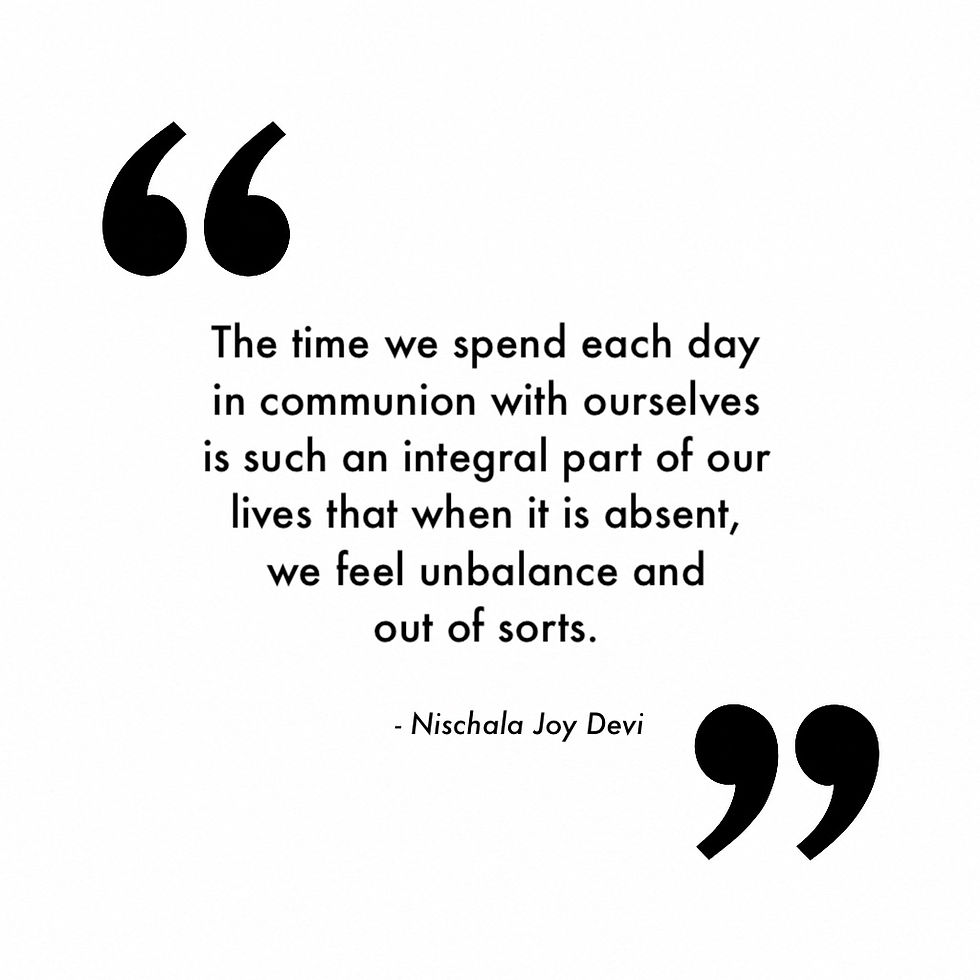
Additional helpful tips to calm the mind, improve thinking and related cognitive abilities, and remedy feelings of stress and burn-out include connecting with nature and gratitude, on a daily basis.
Break new patterns of conditioning and be open to new experiences. If you are living an over-scheduled life, then you simply are not "living." Remember: We are human BE-ings, not human DO-ings.
Serenity Now! - Frank Costanza; Seinfeld

Disclaimer
The content shared in this blog is for educational and informational purposes only. It is not intended as medical advice, diagnosis, or treatment. Everyone’s situation is unique, and while the strategies discussed may support well-being and executive functioning, they are not a one-size-fits-all solution. If you are experiencing significant stress or difficulties with executive functioning, please consult a qualified healthcare professional for guidance tailored to your needs.
References
American Psychiatric Association. (2013). Diagnostic and Statistical Manual of Mental Disorders (5th ed.).
Csikszentmihalyi, M. (2013). Creativity: Flow and the Psychology of Discovery and Invention. Harper Perennial
Clear, J. (2018), Atomic Habits. Penguin Random House
Facts & Statistics. (2025), Anxiety & Depression Association of America (ADAA) website
Falci, P. (2019) A Better Life in a Better World: Can Mindfulness Save Us From Ourselves. Independently Published.
Kabat-Zinn, J. (2021). www.mindful.org

About Dr. Rogers
Dr. Marie T. Rogers is a psychologist, consultant, podcaster, certified yoga instructor, author, and creator of guided journals and notebooks that inspire reflection, growth, and intentional living.

Dr. Rogers' publications include THE INWARD JOURNEY: A Self-Reflection Journal for Focus, Energy & Calm, TIME in FOCUS 2026 Planner, LIFE in FOCUS: A Self-Discovery Journal for Powerful Transformation, POWERFUL MANIFESTATION: Bringing Your Vision to Life through Intention-Setting, Gratitude and Self-Reflection, and FLOWING INTO THE GRATITUDE ZONE: My Daily Journaling Practice—each designed to foster mindfulness, emotional clarity, and inner peace through self-guided inquiry and gratitude.
In addition to her transformative planner and journals, she has created versatile companion notebooks: I CAN LEARN ANYTHING: My Study Notebook for Capturing Course Content, supporting active learners and CAPTURING CREATIVITY: One Idea at a Time, and IDEAS, INSPIRATIONS, INSIGHTS: My Notebook for Capturing Creativity, both designed to hold space for spontaneous brilliance and reflection.
Dr. Rogers hosts the LIFE in FOCUS podcast where she talks about all things neuroscience, mental health, executive functioning, psychoneuroimmunology (otherwise known as the mind-body connection and the role stress plays), mindfulness, and basically how to live your best, most successful, most energized and healthiest life.
Want more insights on the science of mind-body health? Subscribe to Dr. Rogers LIFE IN FOCUS substack and the Rogers Research Global YouTube Channel for guided meditations, educational videos, and neuroscience-based strategies.


Comments